


The Elevated Gazebo: A Backyard Sanctuary Built to Stand the Test of Time
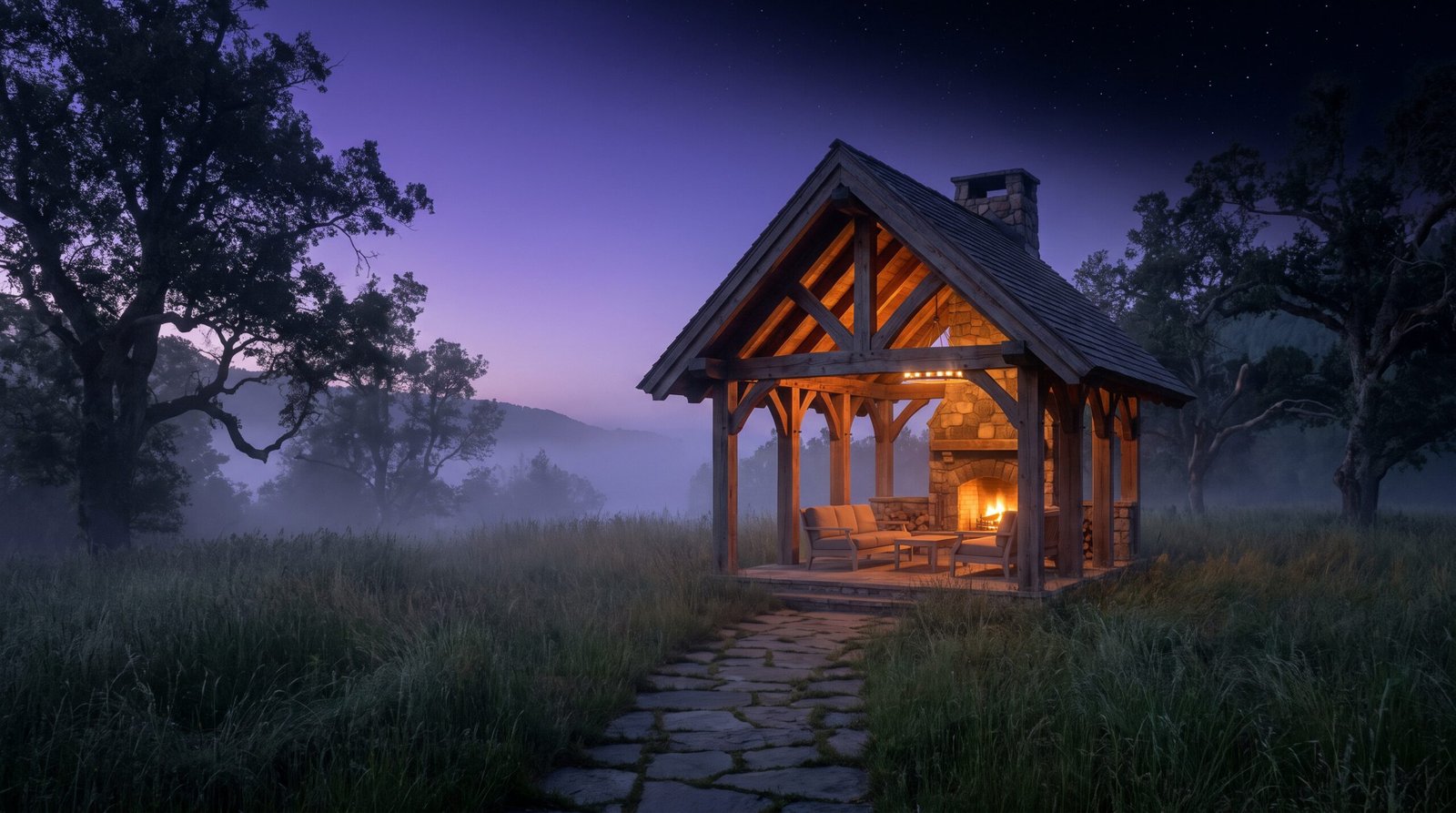
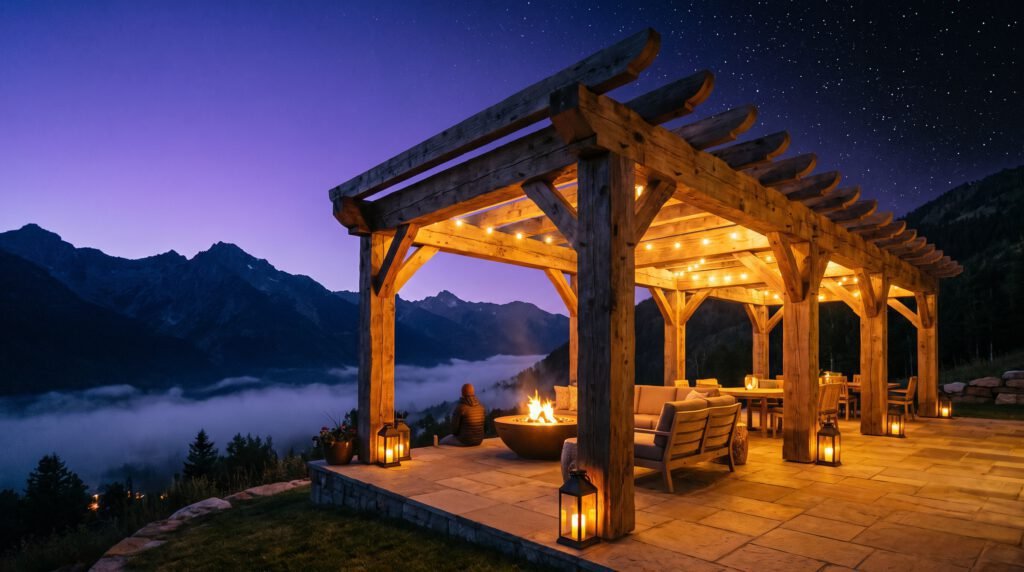
There is a particular hour of the evening — after the sun has dropped behind the ridgeline but before the sky has fully surrendered to night — when a backyard becomes something more than a backyard. The air cools. The light turns violet at the edges. And the homeowner who has built well finds themselves drawn outside, to a covered space that holds the last of the day a little longer. This is the moment a DANANOA gazebo is built for. Not a flimsy pop-up canopy or a big-box kit destined for the landfill in three seasons, but a structure with real presence — timber and steel with the weight and permanence of something built to belong on a mountainside.
For the homeowner who has already invested in the patio, the fire feature, the outdoor kitchen — the gazebo is the space that ties it all together. It is shelter, structure, and statement in one.
This guide explores what sets a DANANOA gazebo apart from the market's mass-produced alternatives, along with expert guidance for installation and long-term care.
Why the Gazebo Is the Anchor of a Well-Designed Backyard
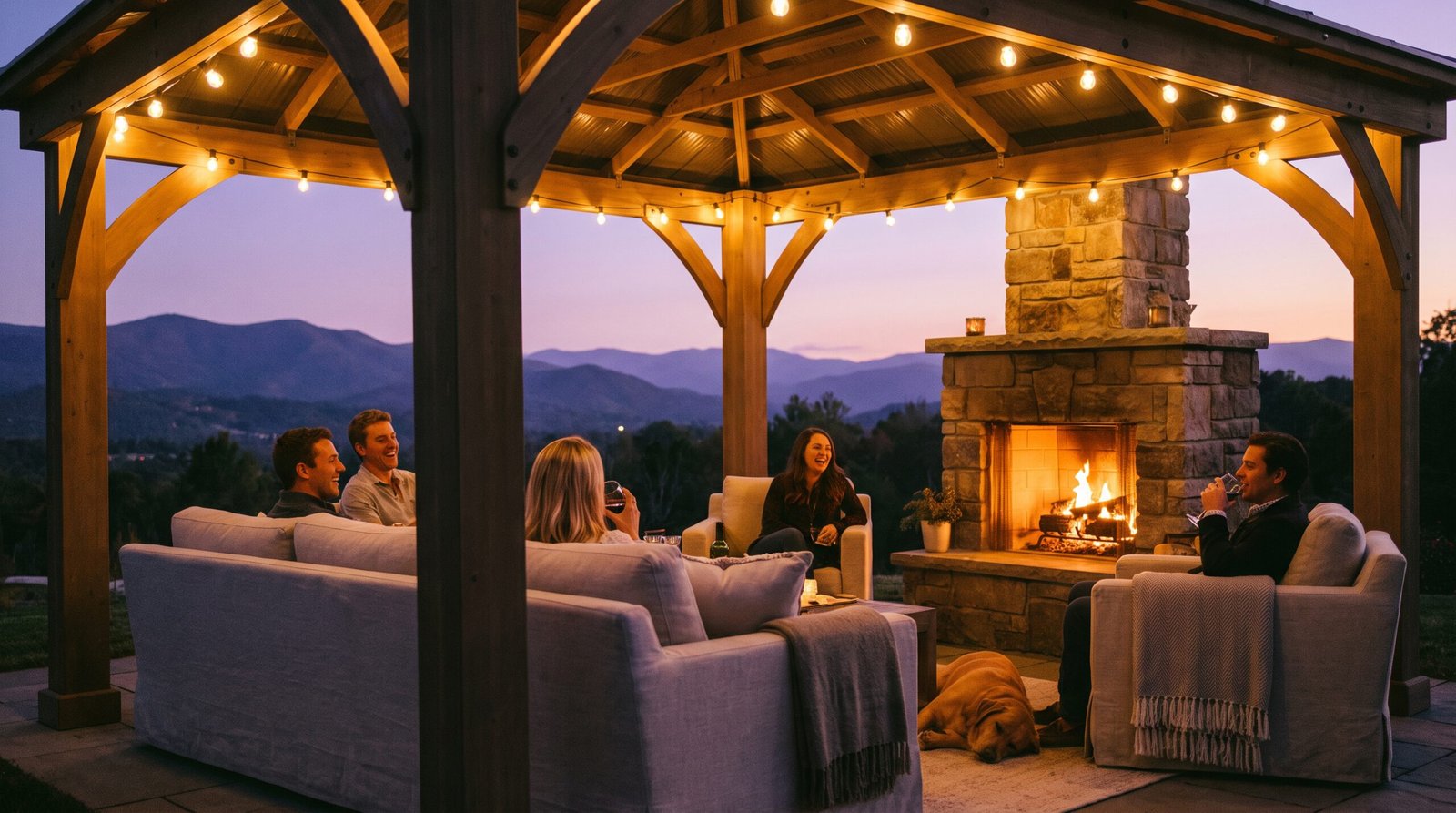
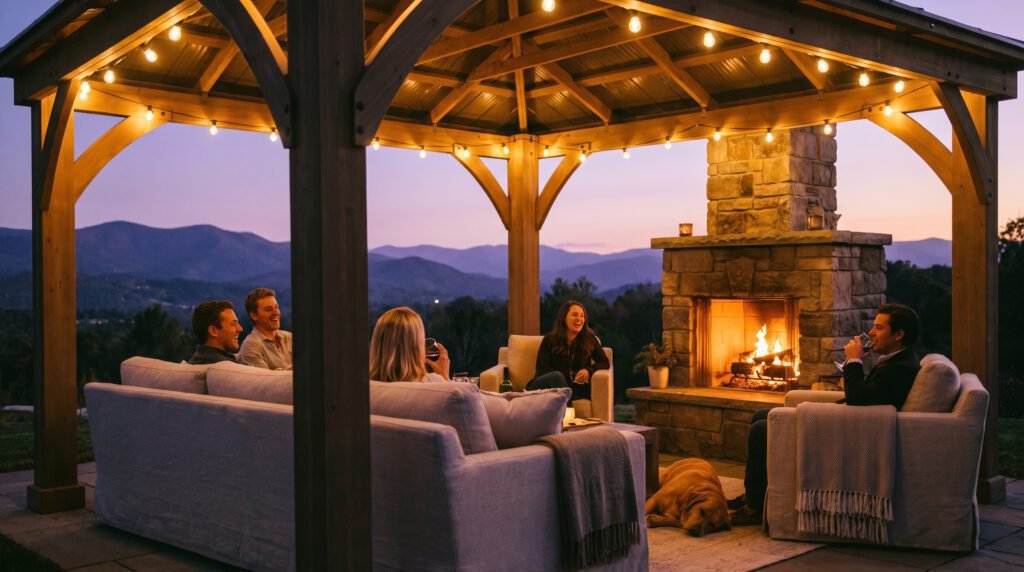
Outdoor living has matured. Homeowners no longer want a single undefined patio — they want distinct spaces, each with its own function and mood. Of all the structures available, the gazebo does the most work: it defines a room without walls, provides shelter from sun and rain, and gives a backyard a clear focal point.
A well-designed gazebo offers:
- Year-round usability, sheltering gatherings from sun, light rain, and evening dew
- A defined social anchor — the natural gathering point for dinners, celebrations, and quiet mornings alike
- Architectural presence, giving an open backyard a sense of structure and intention
- A framed connection to the landscape, echoing the same instinct that draws people toward the mountains
Done well, a gazebo doesn't compete with your landscape — it completes it.
The DANANOA Advantage
Most gazebos on the market are engineered to a price point, using lightweight materials that flex, fade, and fail within a handful of seasons. DANANOA gazebos are engineered to a standard. The difference is immediate — in the density of the timber, the strength of the roofline, and the way the structure holds firm through wind, snow, and sun season after season.
Materials Engineered for Longevity
Big-box gazebo kits typically rely on thin softwood posts and lightweight fabric or vinyl canopies that sag and tear. DANANOA structures are built from:
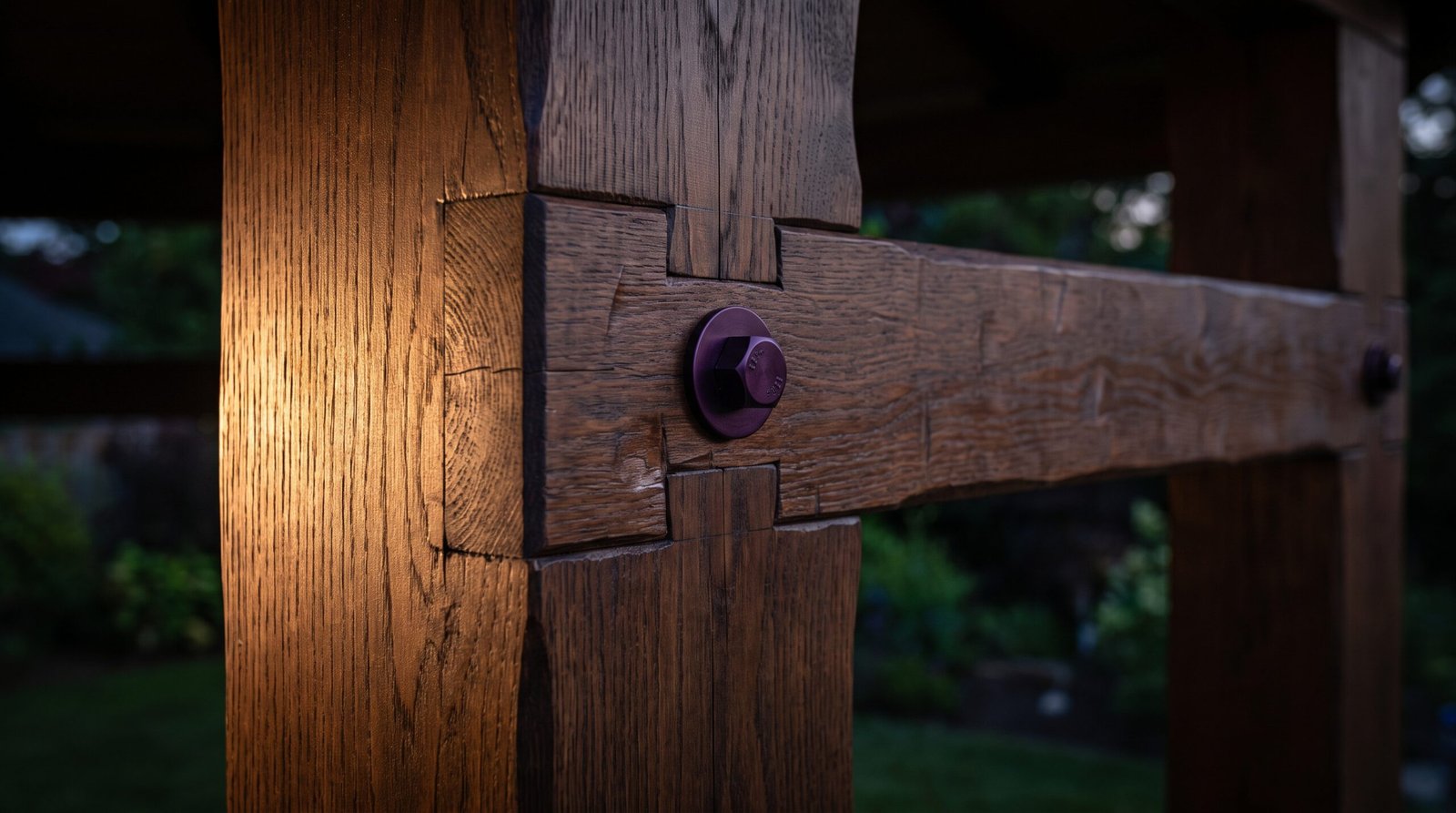
- Kiln-dried, weather-treated hardwood or powder-coated steel framing — dense, dimensionally stable, and resistant to warping
- Reinforced roofing systems, rated for real snow and wind loads rather than decorative shade alone
- Corrosion-resistant hardware and fasteners, engineered to prevent the rust streaks and loosening joints common in entry-level kits
This is the same design philosophy behind alpine architecture: structures built to outlast the conditions they're placed in, not merely decorate a backyard for a season.
Design That Belongs, Not Just Functions
A DANANOA gazebo is drawn, not assembled from a generic template. Strong roofline geometry, refined post detailing, and a silhouette that echoes the brand's mountain-inspired design language mean the structure reads as intentional architecture — a natural extension of the home, not an afterthought staked into the lawn.
Craftsmanship You Can Verify
Every DANANOA gazebo reflects what we call the DANANOA standard — a commitment to:
- Precision joinery, for tighter seams and a structure that resists shifting over time
- Roof systems engineered for real weather, not just aesthetic coverage
- A design lifespan measured in decades, not seasons
When you invest in a DANANOA gazebo, you are investing in a structure meant to anchor your backyard for years to come — not a replacement purchase after the next storm season.
Expert Advice: 3 Pro Tips from the DANANOA Design Team
Getting the most from your gazebo requires more than assembly — it requires intention. Our team offers these three insights, drawn from years of installations across varied climates.
1. Anchor for the Site, Not Just the Structure
Before installation, evaluate your ground conditions honestly. A gazebo is only as stable as its foundation — whether that's a poured concrete pad, paver base, or reinforced ground anchors. Skipping proper anchoring to save time is the single most common cause of structural failure in high wind. Match your anchoring method to your local conditions, not the minimum the kit provides.
2. Plan the Roofline Around Sun and Rain Patterns
It's tempting to place a gazebo purely for the view, but orientation affects how much shelter it actually provides. Study your site's sun path and prevailing wind and rain direction before finalizing placement. A few degrees of adjustment can mean the difference between a structure that shields your gatherings and one that leaves you exposed on the days you need it most.
3. Maintain the Frame and Roofing Seasonally
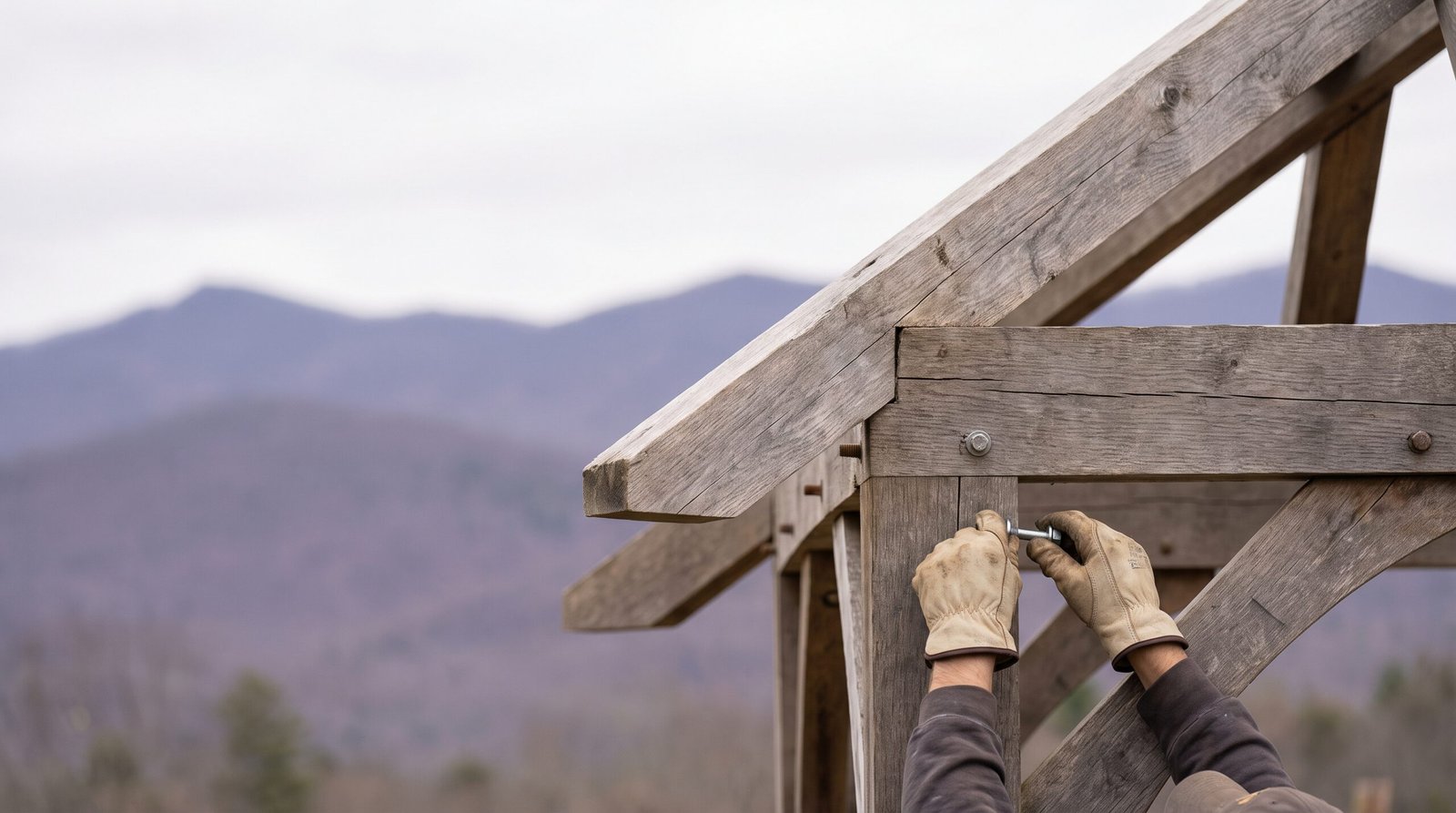
Even premium materials benefit from routine attention. Twice a year — ideally in spring and fall — inspect your gazebo's frame joints, roofing seals, and hardware for wear. Tighten fasteners, clear debris from roof channels, and reseal timber if needed. This small ritual preserves both structural integrity and visual finish, ensuring your investment performs the way it was engineered to.
A Structure Worth Building Toward
There's a reason the best backyard structures feel less like additions and more like inevitabilities — as though the space was always meant to hold them. A DANANOA gazebo is designed with that same sense of quiet permanence: engineered to endure, crafted to inspire, and built to become the space your household gathers around, season after season.
This is more than shelter. It's a destination within your own backyard.
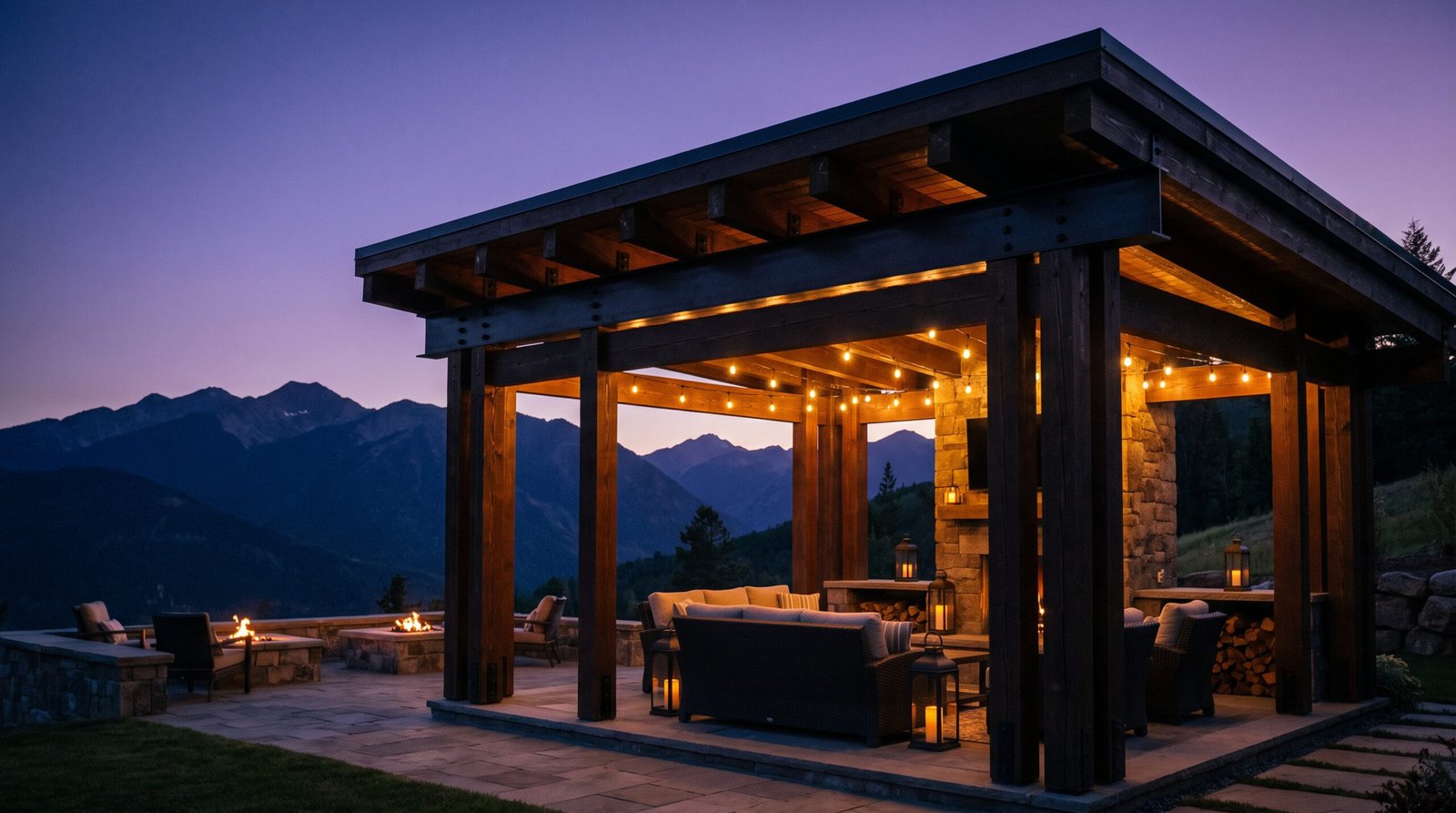
Ready to Elevate Your Backyard?
Explore the full DANANOA Gazebo Collection and discover the structure built to become the heart of your outdoor sanctuary.